The New Neutrals: 2025's Most Coveted Tableware Color Palettes
From earthy ochres to chalky sage, the season's most sophisticated tables have moved decisively beyond white. Here's what's actually landing on collectors' shelves.

White plates are having an identity crisis, and frankly, it's about time.
The Shift Away from Stark
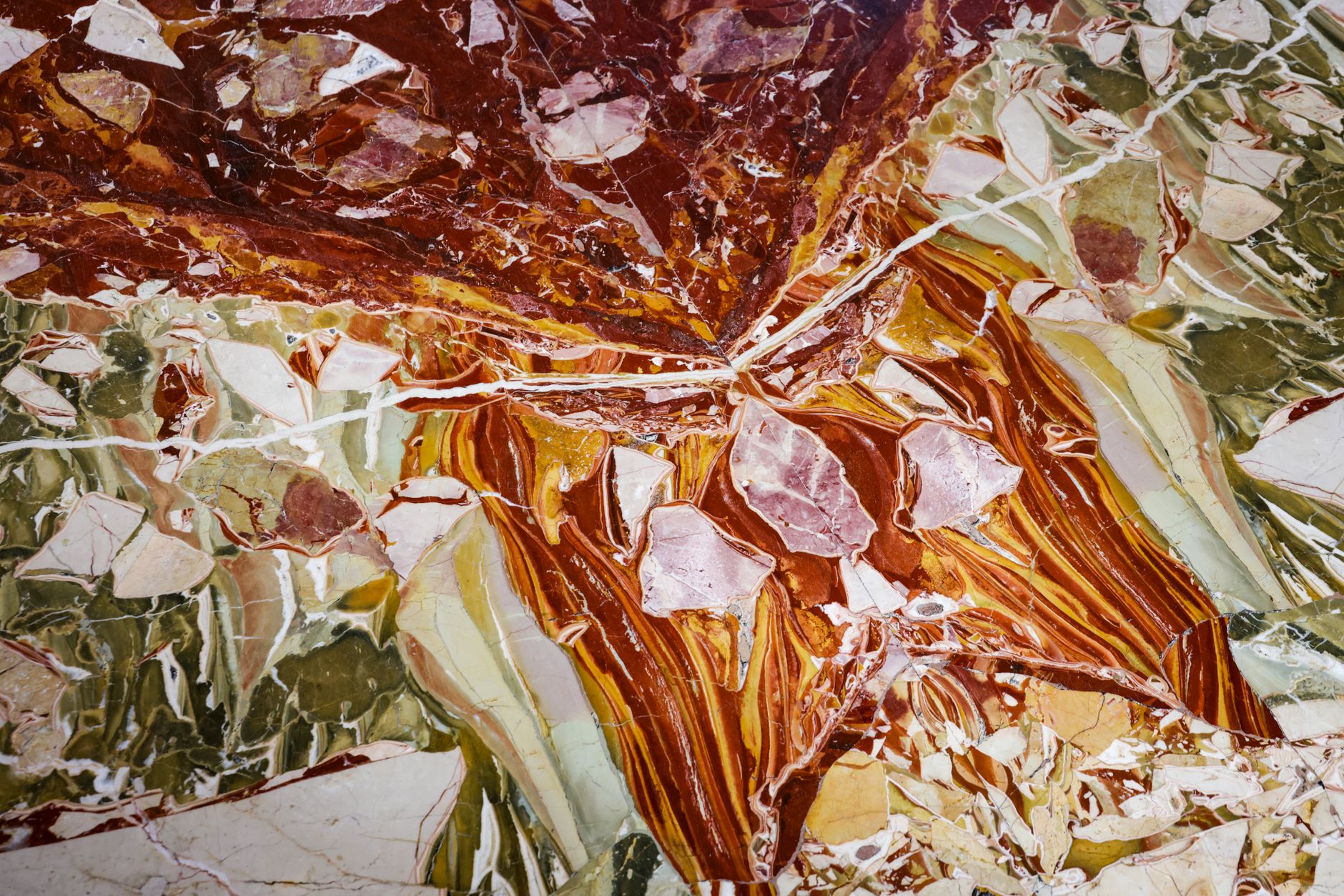
The tableware color trends emerging this season represent something more substantial than the usual spring palette refresh. What we're seeing across showrooms from Astier de Villatte in Paris to the re-energized ceramics studios of Copenhagen is a collective move toward chromatic warmth that still reads as neutral. These aren't the jewel tones of maximalist table styling or the saturated hues that dominated the 2010s. Instead, think pigments pulled from actual earth: iron-rich terracotta, limestone grey, the particular green of unripe olives.
The psychology is straightforward. After years of clinical minimalism, collectors want surfaces that feel lived-in from the first course. They want plates that photograph well against natural linen (the real kind, not the poly blend) and that don't compete with food but don't disappear beneath it either.
Four Palettes Worth Watching
Warm Stone
The beiges and taupes gaining traction aren't your mother's bone china. We're talking about pieces with visible texture: the slight graininess of stoneware, deliberate variations in glaze density, finishes that catch light differently depending on angle. Jars Céramistes has been particularly clever here, their Tourron collection offering that specific shade of Provençal clay that manages to feel both ancient and completely current.
What makes this palette work: it anchors a table without weighing it down, pairs seamlessly with both silver and brass, and forgives the inevitable knife marks better than pristine white ever could.
Sage and Celadon
The greens dominating tableware color trends this year are decidedly muted. Not mint, not emerald, but the soft grey-greens you'd find in a well-aged olive grove or a particularly good French kitchen from the 1940s. The appeal is partly nostalgia, partly a desire for something that reads as organic without veering into rustic territory.
Potter's wheel studios from Los Angeles to London have been experimenting with celadon glazes that shift between blue and green depending on the light. The effect on a dinner table is quietly dynamic, which is rather the point.
Charcoal and Slate
Dark plates had a moment several years ago, then retreated when people realized how much they showed water spots. The current iteration has learned from that mistake. New finishes are either matte enough to hide streaks or glazed in ways that make the marks look intentional.
Serax, the Belgian brand with an unexpectedly sophisticated eye, has been producing slate-toned stoneware that works particularly well for the first course. There's something about serving crudo or burrata on a surface that dark—it forces you to pay attention to composition in a way that white never quite demands.
Ochre and Rust
The warmest end of the spectrum, these shades require the most confidence. Done well, they bring an almost Californian ease to the table. Done poorly, they read as trying too hard to channel Marrakech. The key differentiator is subtlety: you want the color to whisper, not announce.
Key considerations when working with these tones:
- Layer thoughtfully: Mixing warm and cool neutrals on the same table creates depth without chaos
- Mind the undertones: Grey-based neutrals and yellow-based neutrals rarely play well together
- Consider the food: Dark plates flatter light-colored dishes; pale plates do the reverse
- Think beyond dinner plates: Serving pieces in accent colors, everyday plates in safer territory
- Test in your actual light: That perfect sage glaze looks entirely different under warm Edison bulbs versus natural daylight
The Collector's Approach
Smart tableware buyers aren't replacing entire sets. They're acquiring four to six plates in a new palette, testing them across several dinner parties, seeing what actually works with their glassware and their cooking style and their tolerance for handwashing.
Because here's the truth about tableware color trends: they matter less than finding pieces you'll actually want to use in five years. The best neutral is the one that makes you want to set the table, even when it's just Tuesday.
The plates that endure are the ones that feel like a natural extension of how you already live. Which is to say: by all means, explore beyond white. Just make sure wherever you land feels like home.