The Investment Bag Buyer's Checklist: What Holds Value, What Doesn't
From Hermès to Chanel, a practical guide to evaluating handbags that retain resale value and spotting the purchases you won't regret.
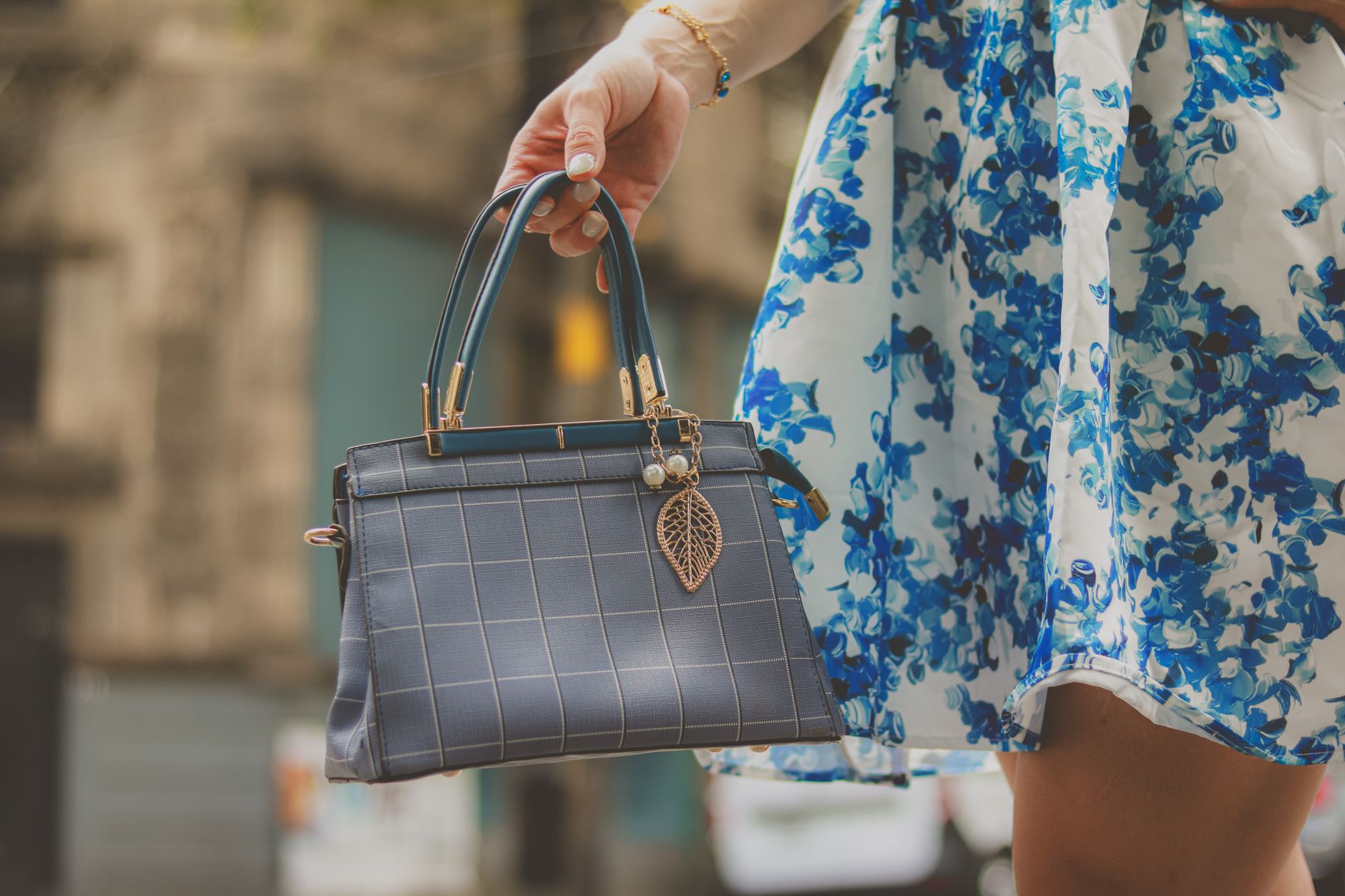
The secondary market doesn't lie: some bags appreciate while others languish on resale platforms at half their retail price within a season.
The Hierarchy of Resale Value
Not all investment designer bags are created equal. Hermès Birkins and Kellys sit at the apex, often selling above retail on the secondary market thanks to controlled supply and waitlists that stretch years. Chanel Classic Flaps follow closely, buoyed by aggressive annual price increases that make older stock more attractive. The Bottega Veneta Cassette and Jodie enjoyed strong resale performance during Daniel Lee's tenure, though the market has softened slightly post-creative-director change—a reminder that designer musical chairs matter.
Louis Vuitton's monogram canvas pieces, particularly the Speedy and Neverfull, maintain steady demand but rarely appreciate. They're workhorses, not trophies. Dior's Book Tote had a moment but flooded the market; resale values have stabilized around 60-70% of retail. Meanwhile, Loewe's Puzzle and Hammock bags hold value respectably, especially in classic colourways, thanks to Jonathan Anderson's sustained creative vision.
What to Evaluate Before You Buy
Smart collectors look beyond the logo. Here's what actually moves the needle on resale platforms:
Brand stability and heritage. Houses with decades-long track records and consistent creative direction weather trend cycles better. A Celine box bag from Phoebe Philo's era still commands attention; whether Hedi Slimane's pieces will do the same in ten years remains speculative.
Material and construction. Exotic skins (crocodile, alligator, ostrich) almost always outperform their leather counterparts at resale, assuming proper documentation and condition. Box calf scratches and scuffs; Togo and Epsom leathers on Hermès bags are more forgiving. Bottega's intrecciato weave is beautiful but labour-intensive to repair, which can ding resale value if the bag shows wear.
Colour discipline. Neutral tones (black, navy, étoupe, gold, grey) consistently outperform seasonal shades. That lime green Balenciaga City might feel daring now, but it's a harder sell later. The exception: certain iconic colours tied to specific bags, like Hermès Rouge H or Chanel's burgundy from the '90s.
Hardware and details. Gold and palladium hardware age better than trendy finishes. Logos should be discreet or iconic, never shouty. Bags with removable straps offer versatility that buyers appreciate. Check that zippers run smoothly; YKK is standard, but some houses use proprietary hardware that's expensive to replace.
The Red Flags
Certain categories rarely justify their initial outlay on the secondary market. Logo-heavy styles from contemporary labels date quickly. Overly trendy silhouettes (remember the tiny bag moment?) have short lifespans. Limited editions sound appealing but often lack the universal desirability that drives resale unless they're truly scarce—and from the right house.
Bags that require constant maintenance or special care also underperform. Suede is lovely until it isn't. Patent leather cracks. Lambskin shows every fingernail. If you're buying investment designer bags with an eye toward future value, consider how the material will look in five years of regular use, not just on the shop floor.
Provenance and Paper Trail
Documentation matters more than most buyers realize. Original boxes, dust bags, authenticity cards, and receipts can add 10-20% to resale value, particularly for Hermès and Chanel. Bags purchased directly from boutiques (with receipts proving it) outperform those from department stores or authorized retailers, fair or not.
Condition is paramount. "Gently used" is acceptable; "loved" is dealer-speak for damaged. Even investment designer bags lose significant value with scratches on hardware, stains on lining, or corner wear on leather. If you're serious about resale potential, treat your bag like the asset it is: store it properly, rotate your collection, and address small repairs immediately before they become expensive problems.
The Long View
The strongest performers share a common thread: they're bags people actually want to carry, not just collect. The Hermès Birkin works as both trophy and tool. The Chanel Classic Flap transitions from day to evening. The Goyard St. Louis is unfussy and capacious. These aren't just investment designer bags; they're functional objects with enduring design.
Buy what you'll use, from houses with staying power, in colours and materials that age gracefully. The secondary market rewards patience and taste in equal measure.


