The Cashmere You Actually Need for Cold-Weather Travel
Why ply count matters more than brand names when you're packing for Zermatt or Reykjavik, and the three pieces that earn their luggage space.

Understanding Cashmere Grades Before You Pack
Not all cashmere performs equally at altitude or in genuinely cold climates, and the difference comes down to fibre diameter and construction rather than the label sewn inside. The finest cashmere, graded at 14-15.5 microns, feels exquisite against skin but offers limited insulation on its own. For a cashmere travel wardrobe built for alpine or arctic conditions, you want two-ply or higher construction in the 15.5-16.5 micron range—fibres thick enough to trap warmth without the pilling that plagues cheaper alternatives after a few wears.
Loro Piana sources from Inner Mongolia's Alashan region, where extreme temperature swings produce longer, more resilient fibres. Their two-ply knits hold structure better in luggage and recover from compression, which matters when you're living out of a carry-on between Courchevel and Cortina. Brunello Cucinelli's piece-dyed cashmere develops a subtle depth of colour you don't get from yarn-dyed alternatives, though both methods have their adherents. What you're really paying for at this tier is consistent grading—every fibre in the garment measured and sorted—which translates to durability in real-world conditions.
The Three-Piece Cold-Climate Core
A functional cashmere travel wardrobe for serious cold centres on three archetypes, each serving a distinct purpose in the layering equation:
The fine-gauge rollneck functions as your base layer and standalone piece for heated interiors. Look for two-ply construction with a true rollneck (not a mock) that sits close without constriction. Charcoal or navy travels better than black, which shows lint from outer layers. This piece should feel almost weightless but dense—a sign of proper twist in the yarn.
The substantial cardigan replaces a fleece mid-layer and works over shirts or under technical shells. Four-ply construction or ribbed textures create air pockets that insulate without bulk. Patch pockets are practical for gloves or a room key. The best iterations have reinforced buttonholes and mother-of-pearl buttons that won't crack in dry, cold air. This is the piece you'll wear on the train from the airport and during après-ski.
The oversized wrap or travel scarf does more thermal work than any other item per gram of weight. A 200cm by 70cm scarf in two-ply cashmere folds into a neck warmer, wraps as a shawl on flights, or doubles as a blanket layer in underheated hotel rooms. Avoid fringe, which snags on jacket zippers. A rolled hem or blanket stitch holds up better to repeated folding.
Construction Details That Matter in Practice
Seam construction tells you whether a piece will hold its shape through multiple wears between washes. Fully-fashioned knits—where each panel is knitted to shape rather than cut from a larger piece—reduce bulk at seams and last longer because there are no cut edges to fray. You'll find this technique at Johnstons of Elgin and in the upper ranges of COS and Arket.
Rib-knit cuffs and hems aren't just aesthetic; they create seals that prevent cold air from entering at your wrists and waist. A proper rib should have visible elasticity and return to shape immediately when stretched. If it looks slack on the hanger, it won't perform in wind.
For a cashmere travel wardrobe that survives cabin pressure changes and temperature fluctuations, consider how the garment is stabilised. Better cardigans have twill tape along the button band to prevent stretching. Shoulder seams should sit slightly forward of your natural shoulder point to accommodate layering underneath.
Packing and Care in Cold, Dry Climates
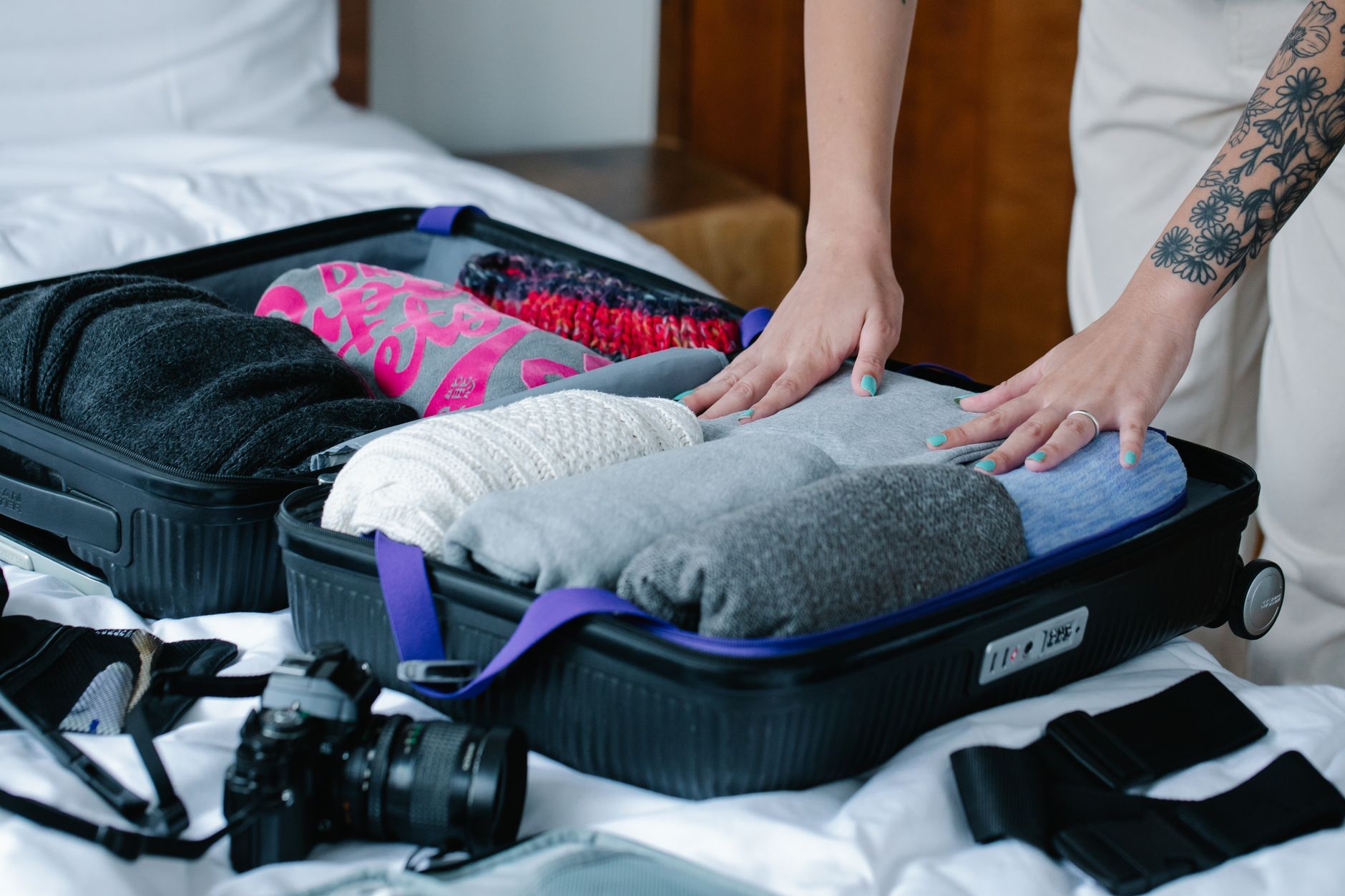
Cashmere benefits from cold, dry air—it's the heated, low-humidity environments of ski lodges and arctic hotels that cause static and temporary fibre damage. Pack each piece folded in tissue paper or a cotton dust bag to reduce friction. Never hang cashmere while travelling; the weight of damp fibres after snow exposure will distort shoulders.
Between wears, air pieces flat near (not on) a radiator to release moisture and odours. Cashmere naturally resists odour retention better than merino, which means your cashmere travel wardrobe requires less frequent washing. When you do wash, use cool water and a no-rinse wool detergent like Eucalan or The Laundress Wool & Cashmere Shampoo, then press out water in a towel rather than wringing.
The right cashmere for cold-weather travel isn't about collecting labels. It's about understanding construction, choosing pieces with genuine thermal purpose, and recognising that the best fibres come from places nearly as inhospitable as the ones you're packing for.