The Cashmere Travel Guide: Where to Buy, How to Pack, What to Know
From Inner Mongolia's finest fibres to folding techniques that prevent creasing, here's how to source, care for, and travel with the world's most coveted knitwear.

Why Cashmere Still Matters on the Road
The right cashmere piece weighs almost nothing, regulates temperature across three climates, and occupies less luggage space than a hardback novel. Yet most travellers either leave it at home (too precious) or return with pilled disasters purchased at airport duty-free. This cashmere travel guide exists to correct both mistakes.
Sourcing: Where Quality Actually Lives
Cashmere grade hinges on fibre diameter and length. The finest comes from the undercoat of Capra hircus goats in Inner Mongolia and the Himalayan plateaus, where extreme temperature swings produce exceptionally soft, long fibres (14-15.5 microns). Anything above 19 microns feels coarse within a season.
Scotland remains the gold standard for manufacturing. Johnstons of Elgin and Barrie (the latter produces for Chanel) mill yarn that's been refined over two centuries. Their 2-ply pieces feel substantial without bulk. Todd & Duncan supplies most luxury houses, though they rarely label consumer goods directly.
Italy offers excellent value in its northern mills. Cariaggi and Zegna Baruffa produce for Loro Piana, Brunello Cucinelli, and dozens of smaller ateliers. If you're in Milan, visit the Quadrilatero during saldi (sales) in January or July. A Cruciani crewneck purchased off-season will cost half what you'd pay in London and last a decade with proper care.
Mongolia itself has become a viable source. Gobi Cashmere in Ulaanbaatar offers factory-direct pricing on respectable 2-ply knits. The finishing isn't as refined as Scottish mills, but for travel staples, it's hard to argue with the economics.
Avoid: Kashmir (India), despite the name. Political instability disrupted the supply chain decades ago, and most "Kashmiri" cashmere now originates elsewhere. Also skip anything labelled "cashmere blend" with less than 85% content. It pills immediately.
Care: What Actually Works
Cashmere's reputation for fragility is overstated, but it does require specific handling.
Washing
Hand-wash in cool water with baby shampoo or dedicated cashmere wash (The Laundress makes a good one). Never wring. Press water out gently between two towels, then dry flat on a mesh rack away from direct heat. Most cashmere can be washed this way after 4-5 wears. Dry cleaning is unnecessary and actually shortens garment life through chemical exposure.
Pilling
All cashmere pills initially as short fibres work their way out. This is normal. Use a cashmere comb (not a disposable razor) after the first few wears. Loro Piana sells an excellent horn comb, though a wooden one from any haberdashery works equally well. Once the loose fibres are gone, pilling largely stops.
Storage
Cedar is traditional but optional. What matters: clean garments (moths are attracted to body oils, not cashmere itself) stored in breathable cotton bags. Never plastic.
Packing Strategies for Delicate Knits
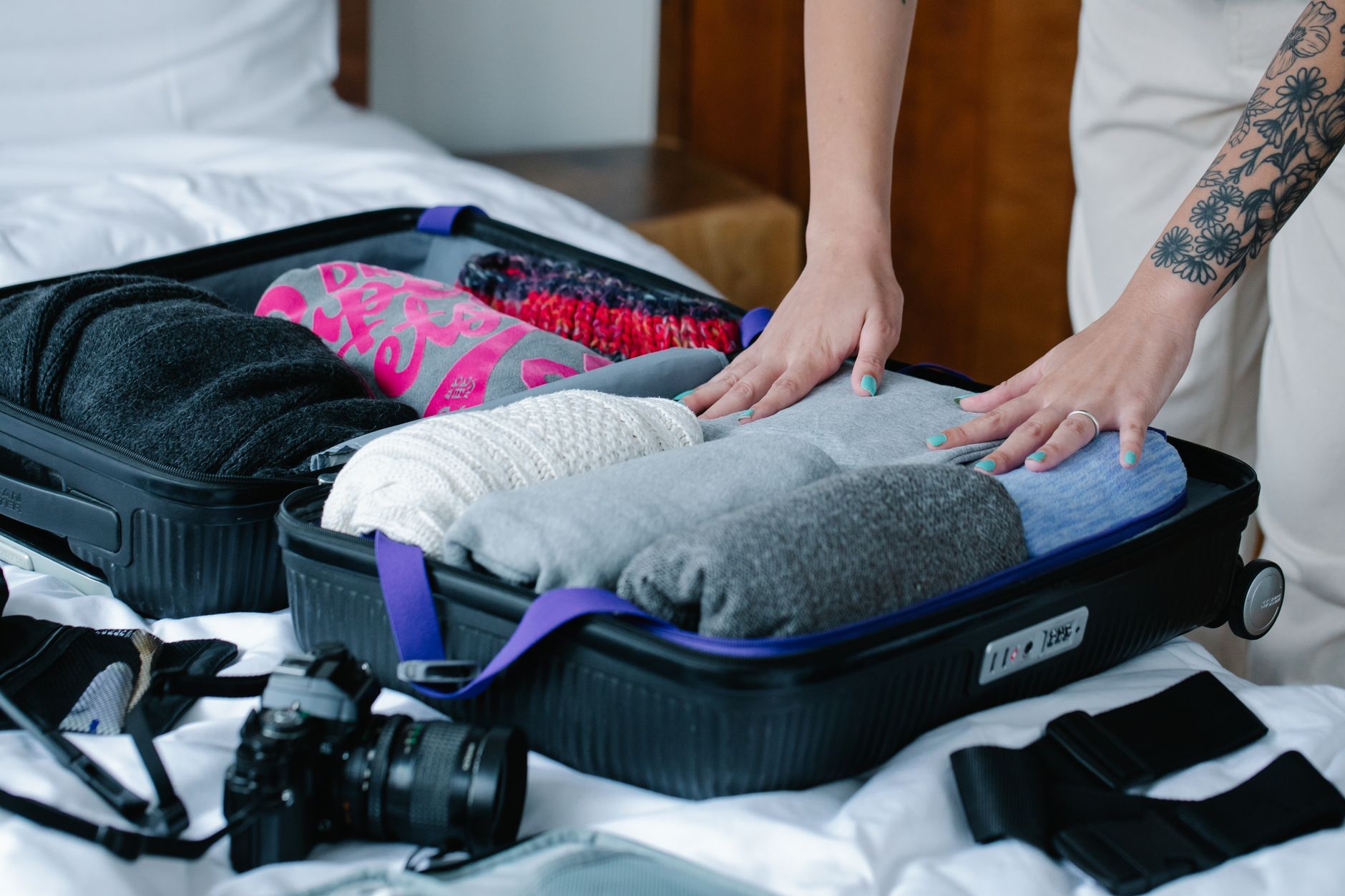
This is where most cashmere travel disasters occur. Follow these rules:
- Fold, don't roll. Rolling creates stress points that stretch fibres unevenly.
- Layer with tissue paper. Place acid-free tissue between folds to prevent creasing. It adds negligible weight.
- Pack in the middle. Place cashmere between heavier items (jeans, trousers) that won't shift during transit.
- Bring a small mesh bag. For emergency hand-washing in hotel sinks. A salad spinner works brilliantly for water extraction if you're staying somewhere with a kitchen.
- Limit your pieces. Two well-chosen cashmere items (one crewneck, one cardigan or fine-gauge turtleneck) cover most scenarios. More invites damage.
For longer trips, consider wearing your bulkiest cashmere piece on the plane. A Brunello Cucinelli cardigan worn over a t-shirt saves luggage space and doubles as a blanket when cabin temperature plummets.
The Economics of Buying Abroad
VAT refunds make European purchases attractive for non-EU residents. Factor in 10-15% back on purchases over €175 (varies by country). Japanese department stores often stock exclusive colourways of European brands at comparable prices to origin countries, with impeccable packaging that survives the journey home.
Duty-free is rarely worth it. Selection skews toward commercial grades, and prices seldom beat sale periods in actual cities.
The best cashmere travel guide is ultimately the one you write through experience. Start with a single, well-made piece from a transparent source. Learn how it behaves across climates and care routines. Everything else follows.