How to Layer Bags Without Looking Like You're Moving House
The French girl trick that turns a handbag into a styling statement—and why your smallest bag might be your most important.
The Case for Carrying More
Bag layering isn't about necessity. It's about proportion, texture, and the kind of visual punctuation that makes an outfit feel considered rather than assembled. When done well, pairing a micro bag with a tote or draping a pouch across your shoulder bag creates the same kind of interest as layering necklaces—except infinitely more practical.
The Foundation: Start With Your Workhorse
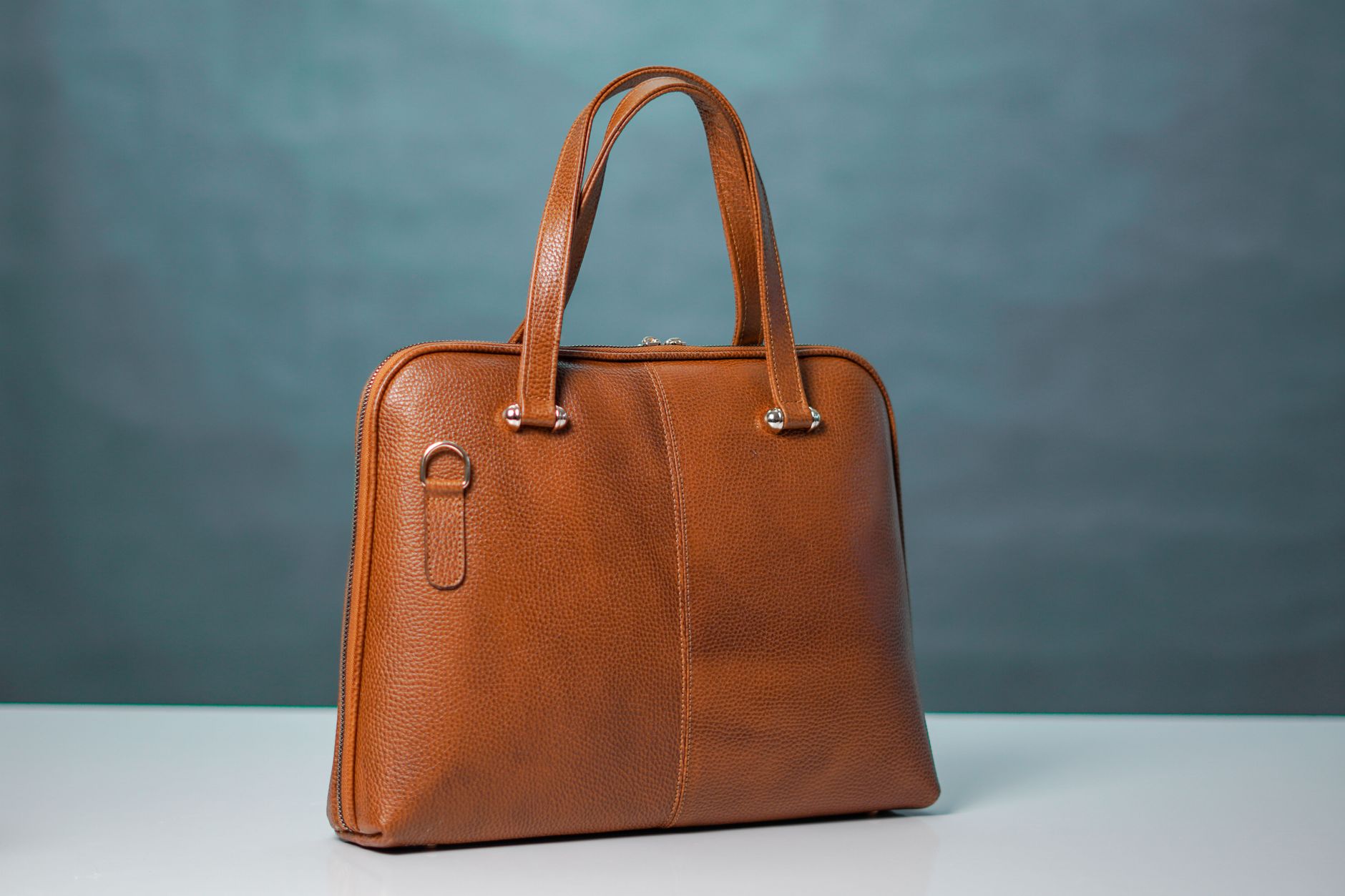
The first rule of how to layer bags is choosing your anchor piece wisely. This is typically your largest bag, the one doing actual work: carrying your laptop, water bottle, or the paperback you're pretending to read on the Métro. A structured tote works beautifully here—think Celine's Cabas or The Row's N/S Park Tote—because the clean lines provide a neutral canvas.
Avoid anything too embellished or directional as your base. Save the crystal-encrusted Miu Miu or the neon Jacquemus for your accent piece. Your foundation bag should be the supporting actor, not the scene-stealer.
Key considerations for your anchor bag:
- Neutral or tonal colours that won't clash with your accent piece
- Structured silhouettes that maintain their shape when paired with another bag
- Comfortable straps since you'll be adding weight
- Practical scale relative to your frame and day's requirements
The Accent: Where Personality Lives
This is where how to layer bags becomes genuinely interesting. Your accent piece should contrast with your foundation in at least two of these three ways: size, texture, or colour.
If your tote is black leather and boxy, your accent might be a quilted crossbody in burgundy (Bottega Veneta's padded cassette bags excel here) or a beaded vintage clutch worn on a chain. If you're carrying a canvas shopper, a sleek patent leather baguette provides material contrast. The interplay matters more than the individual pieces.
One approach that consistently works: the micro bag as jewellery. Brands like Coperni and By Far have leaned into this, creating palm-sized bags that function more as sculptural objects than storage. Worn on a long strap over a larger tote, they add a focal point at hip or waist level without competing for attention.
Styling Strategies That Actually Work
The mechanics of how to layer bags are simpler than you'd think, but a few guidelines prevent the look from tipping into chaos.
The crossbody-plus-tote combination remains the most wearable formula. Wear your crossbody across your body (obviously) with the bag resting at your hip, then carry your tote on the same shoulder. The key is ensuring the crossbody strap sits flat rather than bunching under your tote strap. If you're petite, keep your crossbody strap adjusted shorter to avoid overwhelming your frame.
The clutch-in-crook approach offers a more formal alternative. Carry your everyday bag normally, then tuck a small clutch or pouch under your arm. This works particularly well for transitions—office to dinner, errands to drinks—when you want to leave your larger bag in the car or office but need your essentials.
The bag charm alternative sits adjacent to true layering but deserves mention. If full bag layering feels like too much, a substantial pouch clipped to your main bag's handle achieves similar visual interest. Loewe's leather pouches and Prada's nylon versions are designed precisely for this purpose.
When to Stop
The difference between chic and chaotic often comes down to editing. Two bags, thoughtfully combined, create intrigue. Three bags suggest you're unsure which one you actually need. The exception: a shopping bag from your destination, which somehow always reads as insouciant rather than excessive.
Consider your overall outfit complexity too. If you're wearing bold prints, statement jewellery, or architectural tailoring, a single beautiful bag might be enough. Bag layering shines brightest against relatively simple clothing—the jeans and cashmere uniform, the slip dress, the tailored trousers and white shirt.
The Practical Reality
Learning how to layer bags requires some trial and adjustment. Wear your combination around the house first to ensure nothing digs into your shoulder or throws off your balance. Check yourself from all angles, not just straight-on. And remember that comfort trumps aesthetics—if you're constantly readjusting, the look isn't working.
The goal isn't perfection. It's that specific kind of nonchalance that makes people wonder if you've just come from somewhere more interesting than the supermarket, even if you haven't.


