Chiffon's Quiet Revolution: How Sheer Became the New Power Fabric
From Madame Grès to Miuccia Prada, the most ethereal textile in fashion is having its most substantial moment yet.

The Return of Romance
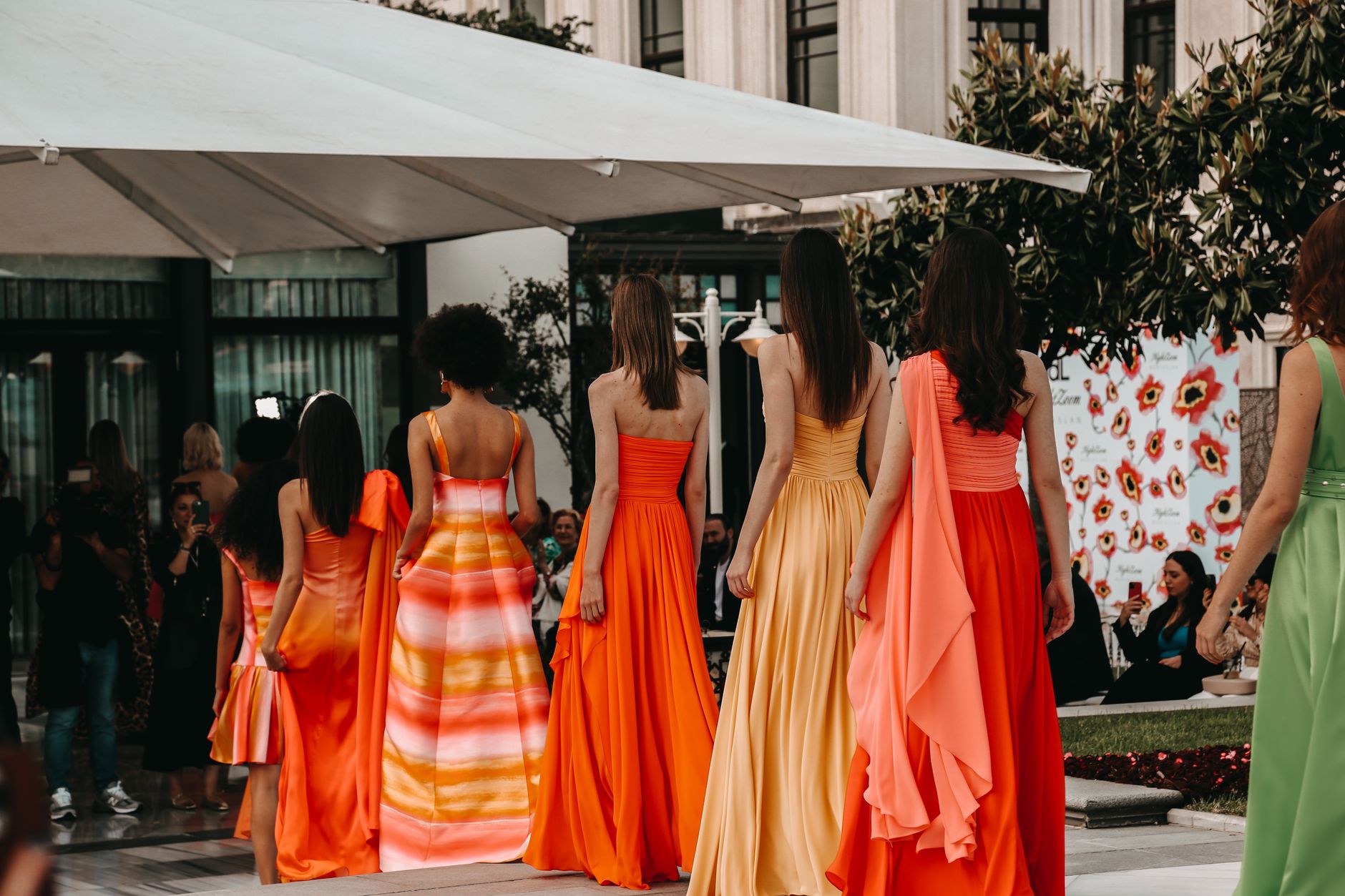
Chiffon has historically been the fabric of whispers and sighs, relegated to bridesmaid dresses and vintage negligees. Not anymore. Walk through the Spring/Summer 2024 collections and you'll find it everywhere: layered over tailoring at The Row, cascading from deconstructed shirting at Jil Sander, even appearing in menswear at Dries Van Noten. What changed? Designers stopped treating chiffon luxury fashion as decorative and started wielding it structurally.
The current obsession isn't about prettiness. It's about tension. The interplay between concealment and revelation, between something substantial and something that barely exists. In an era of quiet luxury fatigue, chiffon offers a way to be both restrained and sensual without veering into obvious seduction.
A Brief History of Float
Chiffon entered Western fashion vocabulary in the 1700s, imported from India and China where weavers had perfected the art of twisting silk threads to create a fabric with structural memory despite its gossamer weight. The name itself comes from the French word for rag or cloth, though there's nothing rag-like about properly constructed chiffon.
Madame Grès built an entire couture vocabulary around it in the 1930s, draping silk chiffon into Grecian columns that moved like water. Halston revived it in the 1970s, understanding that American sportswear didn't have to mean rigid. What both designers grasped: chiffon luxury fashion works when it's engineered, not simply draped.
The fabric disappeared from serious fashion conversation during the minimalist 1990s, then suffered through a decade of boho excess in the 2000s. Its current renaissance feels different because designers are approaching it with the same rigor previously reserved for wool suiting or leather.
The New Layering Logic
Today's chiffon luxury fashion isn't about a single sheer blouse worn over a camisole. It's about architectural layering that creates depth and movement:
- Multiple weights stacked: Combining silk chiffon with heavier georgette or crinkled gauze creates dimension without bulk
- Strategic opacity: Placing denser weaves at key points (shoulders, waist) while keeping arms and décolletage sheer
- Contrasting textures: Pairing chiffon with crisp poplin, heavy denim, or even leather to emphasize its weightlessness
- Tonal layering: Building up shades of the same color family until the final effect reads almost solid from a distance but reveals complexity up close
Prada's Fall/Winter 2023 collection demonstrated this brilliantly. Rather than the expected slip dress, Miuccia Prada showed chiffon blouses with exaggerated volumes, layered over fitted knits and under boxy jackets. The sheer fabric became a middle layer, creating visual complexity that photographs couldn't quite capture. You had to see the garments move.
Loewe has taken a different approach, using chiffon in unexpected places: as the lining that extends beyond structured coats, or as panels inserted into knitwear. Jonathan Anderson understands that chiffon's power lies in its contrast with more grounded materials.
Why Now?
Several forces converge to make this chiffon's moment. First, the technical advances. Modern silk chiffon holds dye better and resists snagging in ways that 1970s versions never could. Mills in Como and Lyon have developed treatments that maintain the fabric's float while adding subtle body.
Second, the cultural shift. After years of athleisure domination and the structured-shoulder power dressing revival, fashion craved softness without sacrificing sophistication. Chiffon luxury fashion offers that paradox: it's delicate but not weak, romantic but not naive.
Third, the way we dress now actually suits chiffon's requirements. The fabric needs space and air to perform. Oversized silhouettes, dropped shoulders, and relaxed proportions give chiffon room to move. When everything was body-conscious, chiffon looked precious. Against today's volumes, it looks modern.
Wearing It Forward
The trick to contemporary chiffon isn't buying into full looks. It's understanding insertion points. A sheer chiffon shirt under a blazer adds movement without softness. Chiffon trousers over slim knit leggings create volume that photographs as solid but moves like liquid. Even a chiffon scarf, when it's substantial silk rather than polyester wisp, transforms a rigid coat.
The designers driving this renaissance aren't asking you to float around like a Pre-Raphaelite muse. They're offering a different kind of power dressing, one where strength doesn't require armor. Sometimes the most substantial statement is made with the lightest touch.